
Build an approval‑ready credit profile
Understand what’s driving your credit decisions, identify items that may be unfair or inaccurate, and take a structured next step toward stronger approvals and better terms.
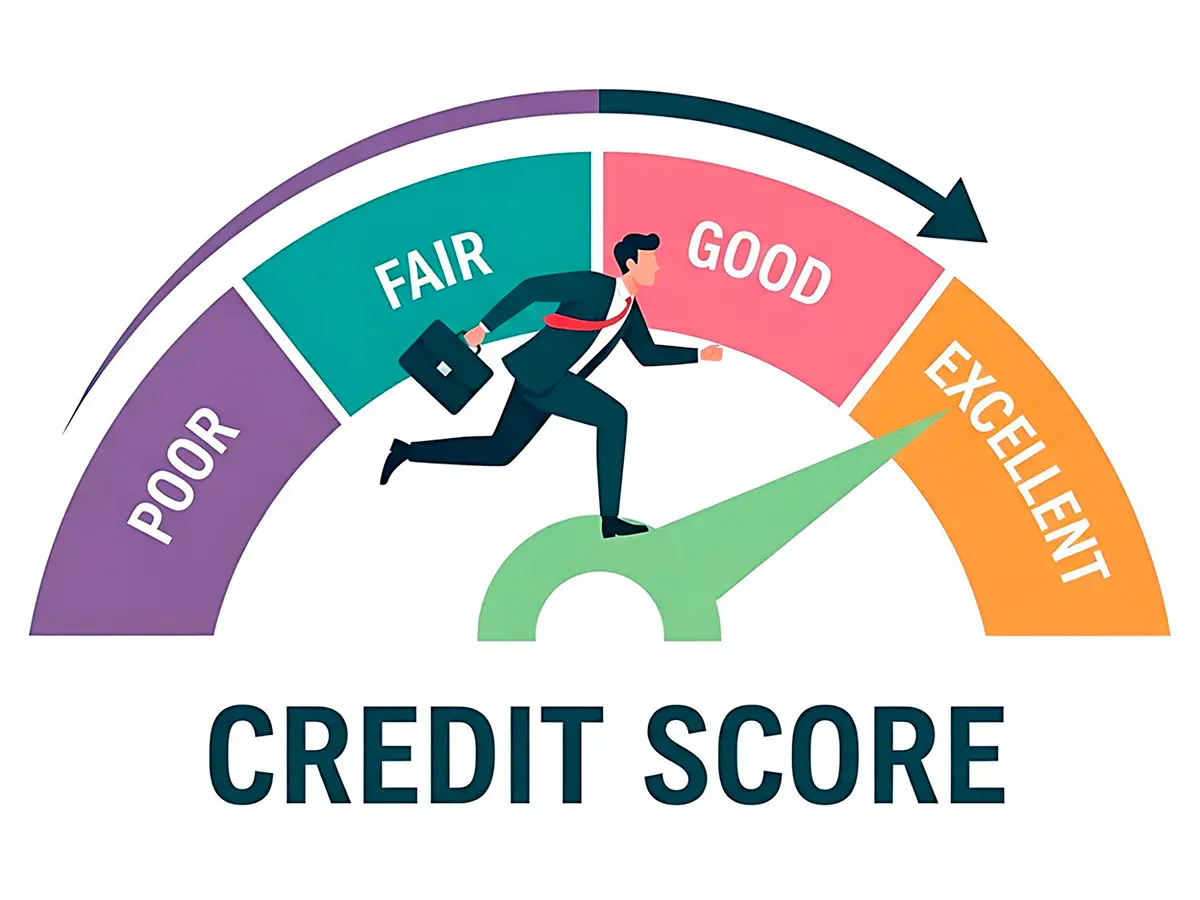
Built around established U.S. credit reporting practices and dispute procedures under the Fair Credit Reporting Act (FCRA). No unrealistic promises—just clarity, documentation, and structured credit improvement.
Unlock more options
Choose the outcome you care about. We’ll outline what improves it—and what to watch for—so you can move forward with confidence.
Your path to stronger credit
A stronger credit profile can mean better approval odds, improved loan terms, and more financial flexibility. Get a clear, no-fluff overview of what credit improvement can help you achieve — then take the next step when you're ready.
Credit decisions in the U.S. are typically influenced by payment history, utilization ratios, account age, recent inquiries, and the accuracy of reporting across major credit bureaus.
Even small inconsistencies can affect lending algorithms. A structured credit improvement approach focuses on verified data, responsible usage patterns, and consistent financial behavior.
*Results vary. This page does not guarantee outcomes.
How it works
A straightforward workflow used by reputable credit‑support programs: review, challenge what’s questionable, and build stronger habits while updates are processed.

Review your starting point
Clarify your goal and look at what’s currently affecting approvals and terms.

Identify what can be challenged
See what information is typically needed, what to expect next, and how the workflow usually looks.

Move forward
Continue to explore available options and take the next step toward better credit outcomes.
raise your credit score instantly with smart, reliable moves
Instant feels magical, but in credit it mostly means faster data. Scores react when fresh information arrives. Explorer hat on: I seek updates that hit fast, skip noise, and keep reliability first. The angle is cost versus benefit - what's urgent, what can wait.
What "instant" really means
Your score is a snapshot. Change the picture, change the number. Some actions refresh the image sooner: lower card utilization, correct provable mistakes, or let permitted payment histories count. This isn't a trick; it's letting accurate, timely facts step forward.
High-priority actions that can move a score fast
- Lower utilization today. Pay revolving balances so each card reports below 30%, ideally under 10%. Asking for a credit-limit increase without a hard pull can help the ratio too. If you're on a deadline, some lenders can push a mid-cycle update or coordinate a rapid rescore in days. Cost: cash tied up. Benefit: often the biggest near-term bump.
- Fix clear errors. A wrong late mark or misreported balance is low-hanging fruit. Provide statements, confirmation numbers, and dates to the furnisher; corrected data can flow quickly once accepted. Reliability beats volume - one solid dispute is better than ten weak ones.
- Add verified accounts thoughtfully. Certain services can report rent, utilities, or phone payments to models that accept them. This may raise thin files fast, though not every score version counts them. Check fees; a small cost might be worth a runway boost.
- Time the statement cut. Pay before the cycle closes so the reported balance is lean. Let one card show a tiny balance and the rest zero - same utilization idea, different angle.
- Authorized user - only if pristine. Joining a long, low-utilization, never-late card can help quickly. It can also backfire if the card carries high balances or if models discount the account.
Small moves that protect gains
- Skip multiple applications; fresh hard inquiries can nick points and add uncertainty.
- Set autopay to at least the minimum so a missed payment never undoes quick wins.
- Keep old cards alive with a tiny, recurring charge to preserve age and limit depth.
- If you have a single installment loan, consider timing payoff; closing the only installment can trim points right before a big application.
A quick, real-world moment
At a car lot, my preapproval sat on the edge. I paid $900 to drop one card below 10% and asked the issuer for a courtesy mid-cycle update. The lender re-pulled that day and the score cleared the tier. Cost: temporary cash outlay. Benefit: interest saved. Reliability varies, so I targeted the highest-ratio card.
Checklist for the next 72 hours
- Map reporting dates and balances; pick the card you can push under 10% fastest.
- Pay via instant methods and request an expedited update from the issuer.
- If on a mortgage or auto timeline, ask your lender about a rapid rescore and provide proofs.
- Scan for one provable error and dispute with the furnisher instead of spamming bureaus.
- Add rent or phone data only if the score used for your goal accepts it.
- Pause new inquiries; protect momentum.
Cost versus benefit, reframed
Paying early can feel like losing liquidity. Really, you're buying a better snapshot - utilization looks disciplined and risk lower. The price is time and attention; the payoff is a stronger score when stakes are high. Prioritize reliable updates, and you genuinely raise your credit score instantly by letting the right facts show up first.
Brian Jung is part of an affiliate sales network and receives compensation for sending traffic to partner sites, such as Milevalue.com.
There's no 'hack'. Yes, credit cards are the best way to start building credit, and it's as simple as charging things you would normally pay for with your ...
1. Pay down your revolving credit balances. If you have the funds to pay more than your minimum payment each month, you should do so.
Frequently asked questions
A clear next step — without the guesswork
See what’s impacting approvals and what may deserve a closer look.
Understand how disputes are structured and what documentation matters.
Improve utilization, consistency, and long-term credit stability.
See what improving your credit could change
Take a structured next step based on your current profile — and decide with clarity.